

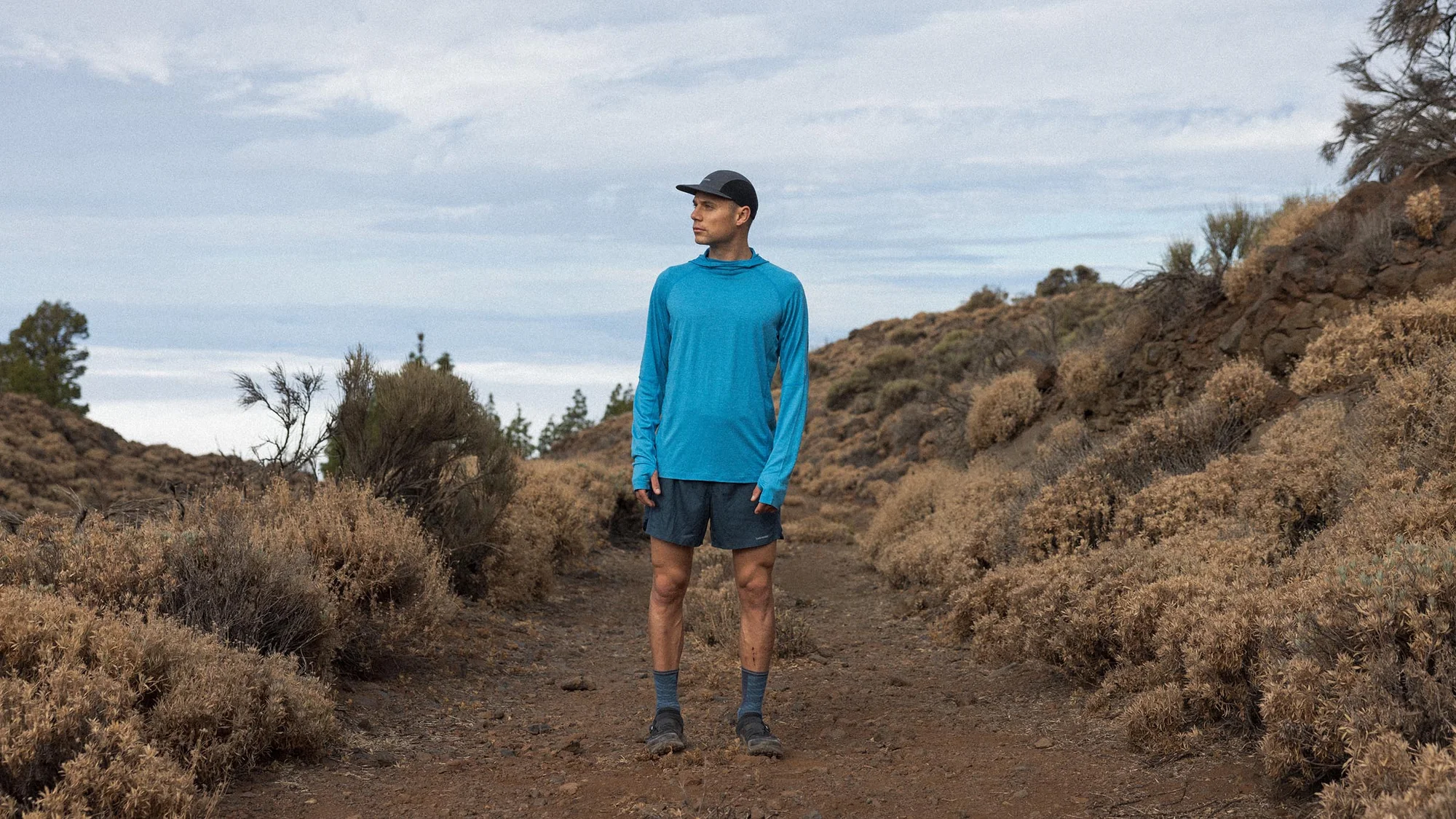
A Fabric That Quietly Outperforms Everything Else
Outdoor clothing often gets judged by flashy materials, technical jargon, and bold marketing claims. Waterproof membranes, synthetic insulation, and ultralight fabrics usually dominate conversations about what hikers and climbers should wear. In that noise, merino wool rarely receives the attention it deserves. Despite being one of the most effective fabrics available for outdoor environments, it often gets overshadowed by newer synthetic innovations.
Time spent in the mountains reveals a different story. Weather shifts constantly, sweat builds during climbs, and temperatures drop quickly once movement stops. Clothing has to adapt to all of those changes without demanding constant adjustments. Merino wool does this quietly and consistently, which makes it one of the most reliable materials I bring on any outdoor trip.
Many outdoor enthusiasts still associate wool with heavy sweaters or itchy winter clothing. That assumption misses the remarkable evolution of modern merino wool. Fine merino fibers create garments that feel soft, breathable, and surprisingly lightweight while still providing warmth and durability. The result is a fabric that performs in more conditions than most outdoor materials.
Merino wool’s reputation may be modest compared to synthetic fabrics, but the performance tells a different story. It handles sweat, temperature shifts, and long days on the trail with minimal effort. Those qualities make it an underrated workhorse for hikers, climbers, backpackers, and anyone who spends serious time outdoors.
Natural Temperature Regulation on the Trail
Mountain environments rarely stay consistent for long. Early mornings can be cold enough for frost, midday sun can bring intense heat, and evenings often drop back into chilly air. Clothing that works in these changing conditions becomes incredibly valuable.
Merino wool excels at temperature regulation because of the structure of its fibers. Each fiber has natural crimps that trap small pockets of air, helping retain warmth when the air is cold. At the same time, the material allows heat and moisture to escape when the body starts to warm up. This balance creates a stable layer that adjusts to activity levels and weather shifts.
During long hikes, this flexibility becomes noticeable. A steep ascent can generate a lot of body heat, and fabrics that trap moisture often become uncomfortable quickly. Merino wool allows excess heat to move through the fabric while still maintaining insulation. That balance keeps the body from overheating while preventing the chilling effect that often comes after sweat cools.
Temperature control becomes even more valuable during rest periods. Sitting on a windy ridge after a climb can quickly pull warmth away from the body. Merino wool retains enough insulation to help maintain comfort without requiring a full clothing change. That adaptability saves time and energy during long days outdoors.
Moisture Management Without Synthetic Tricks
Sweat management is one of the biggest challenges in outdoor clothing. Long hikes, heavy packs, and elevation gains produce constant moisture that needs to move away from the skin. If clothing fails at this job, discomfort builds quickly and can eventually lead to cold conditions.
Merino wool handles moisture in a way that feels different from synthetic fabrics. Instead of simply pushing sweat across the surface, the fibers absorb moisture vapor while still feeling relatively dry. This process helps reduce the clammy sensation that often happens with synthetic base layers.
Another advantage appears during periods of low activity. Moisture trapped in synthetic clothing tends to cool rapidly once movement slows. Merino wool releases moisture gradually, reducing that sudden chill that can occur after a strenuous climb.
Backpackers often appreciate this characteristic during multi-day trips. Clothing that stays comfortable through both movement and rest reduces the need for frequent outfit changes. Merino wool quietly handles that challenge, allowing hikers to focus more on the trail than on adjusting layers.
Odor Resistance That Actually Works
Extended time outdoors often means limited opportunities for laundry or fresh clothing. After several days of hiking, many synthetic garments develop strong odors that are difficult to ignore. This issue becomes especially noticeable during long backpacking trips or expeditions.
Merino wool offers a surprising advantage in this area. The fibers naturally resist odor buildup because they create an environment that discourages odor-causing bacteria. While sweat still occurs during physical activity, the fabric prevents those bacteria from multiplying rapidly.
The difference becomes clear after several days on the trail. A merino wool shirt can remain wearable far longer than many synthetic alternatives. This reduces the number of garments needed for longer trips, which helps save space and weight in a backpack.
Carrying fewer clothing items may not seem like a major benefit at first. However, every ounce counts when trekking through mountains with a full pack. Merino wool helps maintain comfort while simplifying packing decisions, which becomes valuable on extended adventures.
Comfort That Lasts All Day
Comfort in outdoor clothing often gets underestimated. A shirt that feels fine at the start of a hike can become irritating after several hours of movement. Rough seams, stiff fabric, or poor breathability eventually distract from the experience of being outdoors.
Merino wool stands out because of the softness of its fibers. Unlike traditional wool, which can feel coarse against the skin, merino fibers are extremely fine. This results in clothing that feels smooth and flexible even during long periods of wear.
Another factor that contributes to comfort is flexibility. Outdoor movement involves climbing, scrambling, reaching, and bending in different directions. Merino garments stretch naturally without feeling restrictive, allowing the body to move freely across uneven terrain.
Long days on the trail highlight the importance of clothing that simply works without constant adjustment. Merino wool shirts and base layers tend to stay comfortable even after hours of hiking. That reliability makes them easy to forget about, which is exactly what good outdoor clothing should do.
Durability for Demanding Environments
Some outdoor enthusiasts assume wool is fragile compared to synthetic fabrics. Older types of wool clothing did have durability issues, especially under repeated abrasion. Modern merino wool garments, however, are designed to withstand the realities of outdoor use.
Manufacturers often blend merino wool with small amounts of synthetic fibers to increase durability while maintaining the natural benefits of wool. These blends help garments resist wear from backpacks, rough surfaces, and repeated washing.
Durability becomes particularly important during mountain activities. Backpacks rub against shoulders and hips for hours at a time. Clothing also encounters rocks, branches, and rough terrain that can quickly damage delicate materials.
Merino wool garments designed for outdoor use hold up well under these conditions. With proper care, they can last through many seasons of hiking and climbing. That longevity helps offset the higher initial cost of merino clothing.
Lightweight Performance With Serious Warmth
Weight plays a significant role in outdoor gear decisions. Carrying unnecessary ounces adds up quickly during long hikes or multi-day expeditions. Clothing that provides warmth without excessive bulk becomes extremely valuable.
Merino wool performs impressively in this category. Even lightweight merino fabrics provide a surprising amount of insulation relative to their weight. This allows hikers to pack garments that deliver warmth without adding unnecessary mass to their backpacks.
Layering systems benefit greatly from this characteristic. A thin merino base layer can provide noticeable warmth beneath a jacket or mid-layer. At the same time, it remains breathable enough to wear during active movement.
Cold mornings in the mountains often highlight this advantage. Pulling on a lightweight merino shirt before setting out on the trail can make a significant difference in comfort. Once the body warms up from movement, the fabric continues to regulate temperature effectively.
Sustainability in Outdoor Gear
Outdoor communities increasingly care about the environmental impact of their gear. Synthetic fabrics often rely on petroleum-based materials and contribute to microplastic pollution. This reality has pushed many outdoor enthusiasts to look for more sustainable alternatives.
Merino wool offers a natural option with a renewable origin. Sheep grow new wool each year, making the material a renewable resource when managed responsibly. Many merino producers also follow ethical animal welfare practices that support sustainable farming.
Another environmental benefit comes from the longevity of merino garments. Clothing that lasts longer reduces the need for frequent replacements. Fewer discarded garments ultimately mean less waste entering landfills.
Sustainability does not require sacrificing performance. Merino wool demonstrates that natural materials can compete with, and sometimes outperform, synthetic fabrics in demanding outdoor conditions.
A Reliable Companion in Harsh Weather
Mountain weather has a reputation for being unpredictable. Sunshine can disappear quickly behind dark clouds, and sudden temperature drops are common at higher elevations. Clothing that adapts quickly becomes essential for safety and comfort.
Merino wool retains warmth even when slightly damp. This characteristic can make a noticeable difference during rainy hikes or misty mountain conditions. Synthetic fabrics often lose insulation once wet, while merino continues to provide some warmth.
Wind exposure is another factor that highlights merino’s strengths. The natural structure of wool fibers creates a barrier that slows the movement of cold air. While merino layers are not completely windproof, they add an extra level of protection beneath outer shells.
Harsh weather demands gear that works reliably without complicated systems. Merino wool serves as a dependable foundation layer in many outdoor clothing setups. That consistency explains why many experienced hikers keep at least one merino garment in their pack.
Why It Deserves More Attention
Outdoor gear trends often favor materials with bold marketing stories and futuristic branding. Synthetic fabrics dominate advertisements and gear discussions, while traditional materials sometimes fade into the background. Merino wool quietly avoids the spotlight even though its performance remains impressive.
Experience on real trails often reshapes perceptions about outdoor gear. Long hikes, changing weather, and extended trips reveal which materials actually deliver consistent comfort. Merino wool repeatedly proves its value during those moments.
Many hikers eventually develop a small collection of merino garments after discovering how well they perform. Shirts, base layers, socks, and mid-layers made from merino often become trusted pieces of gear. Their reliability makes them easy to reach for before heading into the mountains.
Outdoor clothing should enhance the experience of being outside rather than complicate it. Merino wool achieves that balance with natural efficiency, comfort, and adaptability. That combination explains why this fabric deserves far more recognition in the world of outdoor gear.
